Getting the High-End Look Without It Looking Like an Accident
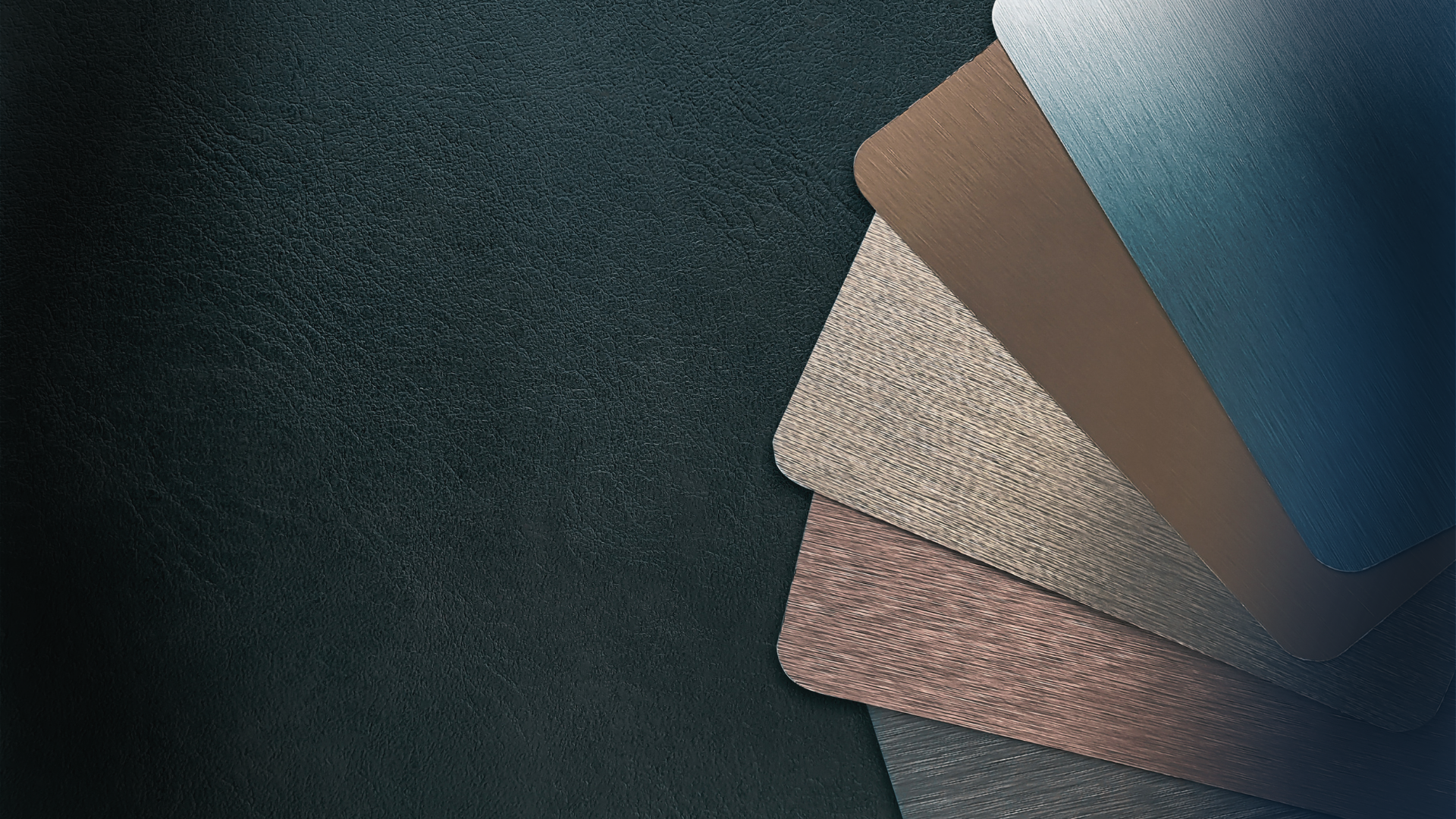
We've all been there: you're trying to select your permanent fixtures. Your faucets. Your shower heads. Your pendant lights. Your sconces. They all come in a wide range of finishes — and you haven't even begun to think about your drawer pulls and door knobs. With that many decisions stacked on top of each other, it's easy to feel like there's one "correct" combination hiding somewhere, and that picking wrong will throw off the whole house. There isn't a single right answer — but there is a method for mixing metal finishes that makes the choice feel manageable instead of overwhelming. It's one of the most common moments in the design process, and one of the easiest to get wrong by guessing instead of planning.
Mixing metals thoughtfully is what separates fixtures that feel builder-grade from a home that feels curated and intentional throughout.
Establish a Dominant Metal Finish
Dominance comes down to scale and visual weight, not fixture category. A large pendant, a statement faucet, an oversized mirror frame — whichever piece carries the most presence in the room naturally becomes the anchor, whether that's a lighting fixture, a plumbing fixture, or a piece of hardware. It doesn't require every "type" of fixture to fall in line behind it. A bold polished brass pendant can anchor a kitchen on its own, while the faucet below it and the drawer pulls throughout play quieter, supporting roles in a different finish entirely. Deciding where that visual weight should live — lighting or plumbing — is its own question, one our design team walks through in a separate post.
Keep Plumbing Fixtures Consistent Within a Single Wet Location
There's one place where matching still matters: the individual pieces at a single sink, tub, or shower. A faucet, shower trim, and a tub filler at the same wet location should generally share one finish, since they function and read as a single collection. That consistency doesn't need to extend beyond the wet location itself — the plumbing at one sink can differ entirely from the plumbing at another, or from the lighting and hardware around it.
Let a Second Finish Support It, Not Compete With It
A dominant-to-accent ratio of roughly 70/30 keeps a space from feeling scattered. In practice, that might mean brushed brass specified for lighting and plumbing, with matte black reserved for cabinet and drawer hardware. The supporting metal should live in smaller, more contained pieces — never fighting the anchor for attention.
Repeat Each Finish More Than Once
A metal that appears only a single time in a room can read as a mistake rather than a choice. Once a finish is introduced, it should show up again somewhere else nearby — the same black used on cabinet hardware might reappear in a window casement or a stair rail, tying the space together rather than leaving an isolated accent to explain itself.
Reserve a Third Metal, If Used at All, for the Smallest Details
A third finish is optional and works best in rooms with enough scale to support it — a larger kitchen, for instance, rather than a powder bath. When it's used, it belongs on the least structural pieces: a single drawer pull, a switch plate, a small accent fixture. It should never carry equal visual weight to the first two. Like the dominant and supporting finishes, it should still repeat somewhere else in the room — just in smaller, quieter instances — so it reads as an intentional accent rather than a detail with no explanation.
Pair Metal Finishes by Undertone
Warm metals — brass, gold, copper, bronze — pair naturally with cool metals like nickel, chrome, or silver. Black and matte finishes act as a neutral bridge and sit comfortably next to either. The contrast is what makes a mix look deliberate.
The real risk isn't pairing two contrasting metals — a black faucet next to brass hardware, for instance, is a well-established combination that works well. The risk is pairing finishes that are almost, but not quite, the same: polished brass next to polished gold, or several warm tones like rose gold, yellow gold, and antique brass layered together in one space. When two finishes are close enough in tone that the eye can't tell whether the difference was intentional, it reads as a mismatch rather than a mix. True contrast, not near-sameness, is what makes mixed metals look intentional.
Vary the Luster, Not Just the Metal
Finish sheen matters as much as finish color. Two high-polish metals placed side by side can compete for shine even when the underlying metals differ. Pairing a polished finish with a satin or matte one creates the same kind of intentional contrast as pairing warm and cool tones.
Match the Style, Not Just the Metal
Cohesion isn't only a question of color and finish — it's also a question of design language. A modern, unadorned faucet paired with an ornate, traditional cabinet pull can clash in silhouette even when the finishes themselves work well together. Fixtures within the same space should share a design era or aesthetic, whether that's clean-lined and contemporary, softened transitional, or detailed traditional, so the room reads as one cohesive statement rather than a mix of unrelated parts.
Try Two-Tone Fixtures and Hardware
For clients who want the look without coordinating every individual selection, an increasing number of fixtures and hardware are manufactured with two — sometimes three — finishes built into a single piece: a faucet with a black body and brushed-gold accents, a cabinet pull finished in both matte black and warm brass. These pieces take the guesswork out of pairing, since the manufacturer has already resolved the undertone and ratio questions. The one rule that still applies: once a two-tone piece is chosen, the rest of the room's finishes should echo that same combination rather than introducing a fourth or fifth metal into the mix.
Every Room Gets Its Own Mix
None of this needs to repeat identically from room to room. A primary bath might pair matte black with warm brass, while the kitchen down the hall runs brushed nickel with the same brass — different combinations, same design logic. The mix only needs to feel intentional within each space; it doesn't need to match the room next door.
The result, done well, doesn't look like indecision — it looks like a home where every fixture was chosen with a plan behind it, long before the walk-through.
Thinking about building a custom home of your own? Let's start the conversation — book an appointment with our team.
For more inspiration from our homes, follow us on Facebook.